Cross-Country Skiing in Bethel, Maine: A Full-Body Winter Workout
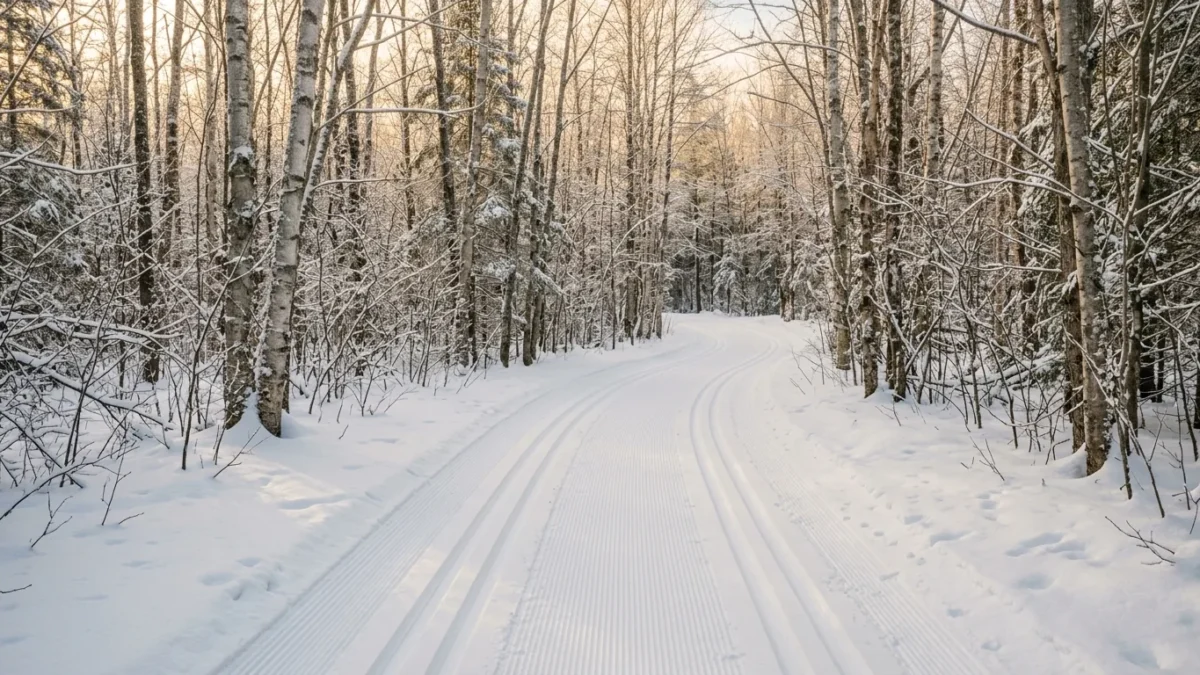
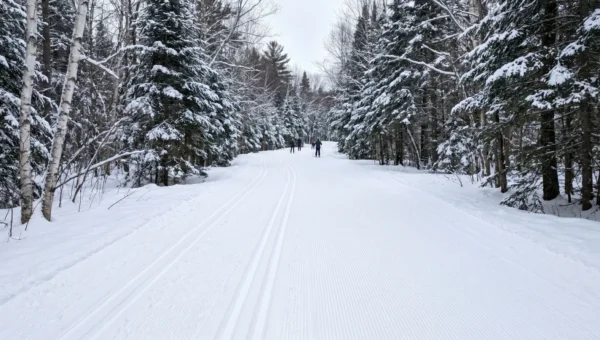
Bethel sits in the western Maine mountains along the Androscoggin River, and it’s home to one of the better cross-country skiing networks in the state. Carter’s XC Ski Center maintains over 55 kilometers of groomed trails, ranging from flat riverside paths to hilly forest loops. For anyone who wants a real winter workout, Nordic skiing is worth the trip. If you prefer warmer-weather options, paddleboarding Sebago Lake offers a similarly low-impact full-body challenge once the season shifts.
Why Cross-Country Skiing Works So Much of Your Body
Classic cross-country skiing engages the quadriceps, hamstrings, glutes, core, shoulders, triceps, and back at the same time. It’s one of the few activities that keeps almost every major muscle group moving through a continuous aerobic effort. VO2 max values recorded in elite Nordic skiers rank among the highest of any sport, according to a 2015 review published in the Scandinavian Journal of Medicine and Science in Sports.
Recreational skiing at a moderate pace burns roughly 500 to 700 calories per hour, comparable to running at around a 9-minute-per-mile pace. The difference is joint impact. Snow absorbs force in a way pavement doesn’t, which makes Nordic skiing a solid option for people managing knee or hip discomfort in cold weather.
Beginner-Friendly Routes at Carter’s
Carter’s offers a flat 3-kilometer riverside loop that works well for first-timers still sorting out balance and the kick-and-glide stride. The Crocker Pond trail adds gentle rolling terrain over 5 kilometers. Once you’ve got the basics, the Grover Hill loop gives you 8 kilometers of varied terrain with enough climbing to push your heart rate into higher effort zones.
Rentals are available on-site. A half-day package (skis, boots, poles) runs approximately $25 to $35. Trail passes are around $20 to $25 per adult. Both figures are subject to change, so check the Carter’s website before you go.
Getting Started on the Right Foot
A one-hour beginner lesson shortens the learning curve considerably. Classic technique tends to click faster than skate skiing for first-timers. It’s worth spending the money on even a single lesson before heading out on your own.
Dress in moisture-wicking layers rather than heavy insulation. Cross-country skiing generates enough body heat that overdressing causes more discomfort than the cold does. The same principle applies to most winter exercise in northern New England: breathable base layers matter more than bulk. Bring water. For sessions longer than an hour, a light snack helps.
Sources
- Carter’s XC Ski Center. Trail map and conditions. cartersxcski.com.
- Holmberg HC. The elite cross-country skier provides unique insights into human exercise physiology. Scandinavian Journal of Medicine and Science in Sports. 2015;25(Suppl 4):100-109.
This article is for informational purposes only and does not constitute medical advice. Consult a qualified healthcare provider before making any health decisions.