The Maine Lobster Boat Race Circuit: A Surprisingly Athletic Tradition
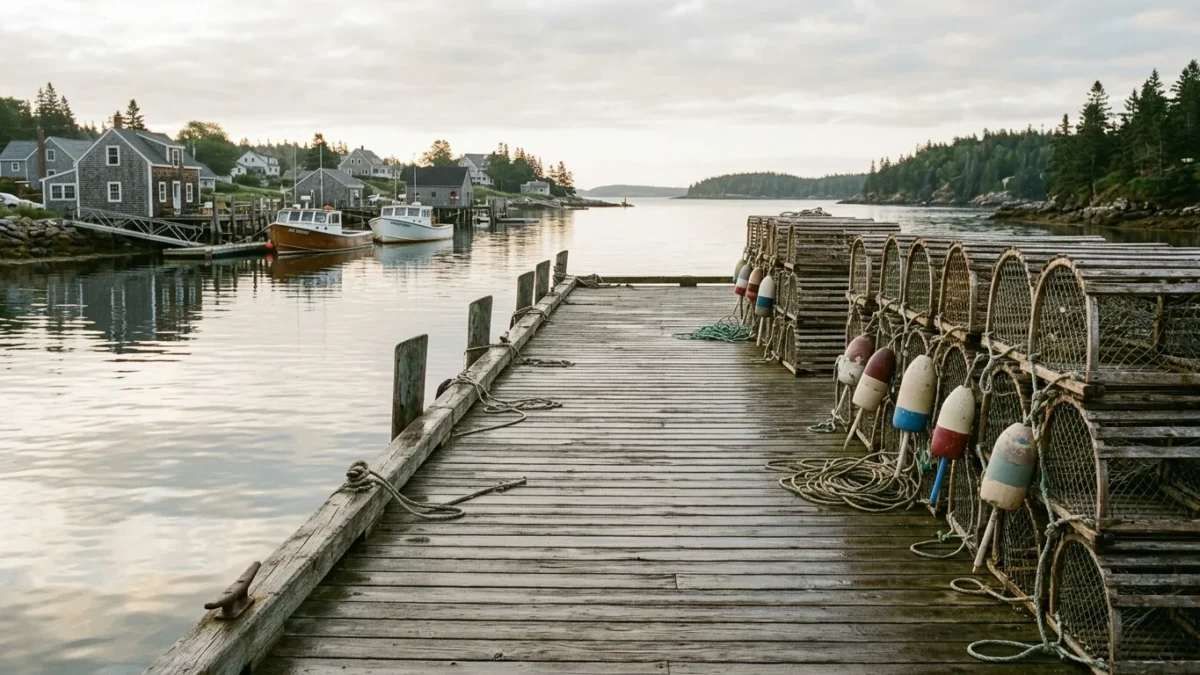
Every summer from June through September, lobster boats from harbors along the Maine coast compete in a racing circuit that spans from Boothbay Harbor to Stonington. What looks like a casual community event is, for the participants, a genuine test of boat handling, mechanical knowledge, and physical endurance that draws on the same fitness demands as their daily work.
The Physical Demands of Lobstering
Commercial lobster fishing is one of the most physically demanding jobs in New England. A typical day involves hauling 400 to 800 traps, each requiring a pull-and-stack motion that loads the back, shoulders, and core. Occupational health researchers have documented that lobster fishers expend energy comparable to other high-intensity manual trades, with full hauling days placing sustained demands on the cardiovascular and musculoskeletal systems.
The racing circuit builds on this baseline. At full throttle on courses of a half-mile to a mile, captains manage vibration, wake, and boat handling at speeds that recreational boaters rarely experience. It’s hard physical work dressed up as a summer event.
The Race Circuit
Major races include Boothbay Harbor (June), Rockland (June), Stonington (July), Winter Harbor (August), and the season finale in Portland (September). Classes run from stock diesel boats to modified gasoline-powered vessels that push past 50 knots. Entry is typically free, and spectating from shore or by boat is one of the more genuine Maine summer experiences you’ll find alongside paddleboarding and other water-based activities across the state.
Health Considerations for Working Watermen
The occupational health picture for lobster fishers isn’t pretty. Researchers and health reporters covering Maine’s fishing communities have documented high rates of lower back injury, shoulder problems from repetitive hauling, UV exposure from long hours on open water, and hearing loss from years of engine noise. Many fishers in their 40s and 50s carry accumulated injuries that limit their range of motion ashore.
Hearing protection is one of the simplest and most overlooked pieces of gear on a working boat. Consistent engine noise above 85 decibels causes cumulative damage over time, and lobster boat engines routinely exceed that threshold. Annual skin checks matter too: Maine’s fishing population logs more sun hours per year than most outdoor workers in the region, and the reflection off water intensifies exposure. Understanding how UV exposure works at Maine’s latitude is useful context for anyone spending long hours on open water.
Strength work focused on the posterior chain and rotator cuffs can help offset the wear pattern from repetitive trap hauling, though the specifics of any exercise program are worth discussing with a physical therapist who understands occupational demands. The kind of deliberate body preparation that hikers use for demanding terrain applies equally to those whose work is physically taxing on a daily basis. Staying on top of summer hydration is another factor that outdoor workers in Maine often underestimate, particularly on long days afloat in direct sun.
Sources
- The Maine Monitor. “Study finds health risks, care gaps for Downeast fishermen.” themainemonitor.org.
- Maine Lobster Boat Racing Association. Race Schedule and Rules. 2026.
- National Fisherman. “2025 Maine Lobster Boat Races are ready to rev up the coast.” nationalfisherman.com.
This article is for informational purposes only and does not constitute medical advice. Consult a qualified healthcare provider before making any health decisions.