Acadia National Park Hiking: Preparing Your Body for the Beehive Trail
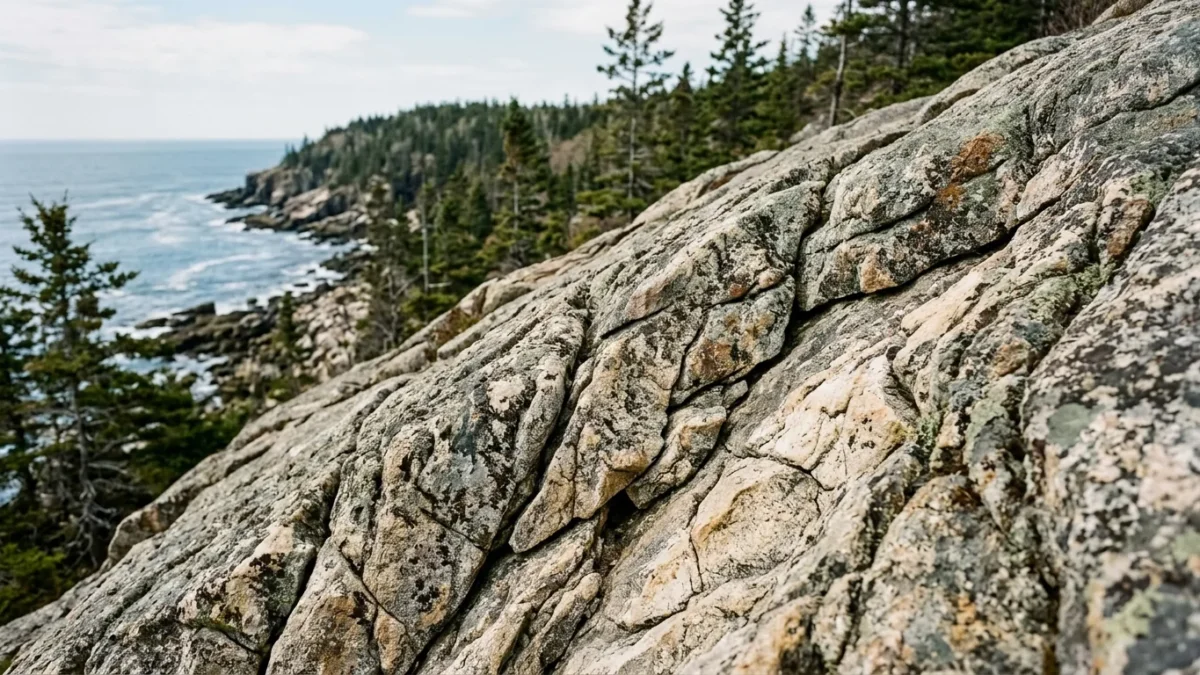
The Beehive Trail in Acadia National Park gets described as “thrilling” a lot. That’s accurate. It’s also short — only 1.5 miles round trip, 450 feet of elevation gain — which leads some hikers to underestimate it. The iron rungs, the narrow ledges, the hundred-foot drops to either side: none of that shows up in the mileage number. People get hurt on the Beehive every summer, and most of them were reasonably fit. They just weren’t prepared for this particular kind of effort.
If you’re visiting Acadia this season and the Beehive is on your list, the prep work is worth doing. Not because the trail is dangerous for someone in decent shape, but because the right preparation makes it genuinely enjoyable rather than a white-knuckle survival experience.
What the Trail Actually Demands
Most hiking fitness is lower-body and cardiovascular. You climb, your quads burn, your lungs work. The Beehive adds two things most hikers aren’t regularly training: upper body pulling strength and grip endurance.
The iron rung sections require you to pull your body weight upward repeatedly, sometimes with your feet on small footholds and your hands as the primary anchor. This is closer to bouldering than hiking. Grip fatigue is real — if your forearms aren’t used to sustained isometric holds, you’ll feel it by the third or fourth rung section, and that’s when focus matters most.
The cardiovascular demand is also different from a typical trail. There are no flat rest sections. The climb is sustained vertical, and the exposure means you can’t zone out and let your legs run on autopilot. Mental attention doesn’t cost calories, but it does cost energy. Plan for the trail to feel harder than a 1.5-mile walk in the park.
Descent is via the Bowl Trail loop, which is gentler but rocky. Ankle stability matters here, especially with tired legs. Hikers doing full-day outdoor activity in summer should also check current tick season conditions in New England — the trailhead and Bowl Trail areas pass through brushy terrain where exposure is real.
How to Build the Right Fitness
You don’t need to be an athlete. You do need to be able to climb two flights of stairs without stopping to catch your breath, and you need at least some baseline grip and pulling strength.
Stair climbing is the most specific prep available to most people. Stadium stairs, parking garages, apartment stairwells — the muscle loading pattern is nearly identical to the Beehive’s rung sections. Three to four sessions a week for four to six weeks will make a real difference.
For grip strength and pulling endurance, dead hangs from a pull-up bar are effective and require no special equipment. Hang for 20 to 30 seconds, rest, repeat five times. Progress to active hangs (slight shoulder engagement) or add slow negatives if you can manage them. You don’t need to do a full pull-up. You need to hold on while your feet find footholds.
Farmer carries — picking up something heavy in each hand and walking with it — build forearm endurance and shoulder stability in a way that translates directly to the rung sections.
If ankle sprains are part your history, supportive hiking boots are worth choosing over trail runners for this route. The Bowl Trail descent involves a lot of lateral movement on uneven rock, and a brace or stiff boot reduces the injury risk meaningfully, according to sports medicine research published by the American College of Sports Medicine.
Practical Notes for the Day
Start before 8 AM. The Beehive is narrow and one-way; bottlenecks form fast once the park fills up. Getting there early means cleaner movement through the rung sections and fewer moments of waiting while perched on a ledge.
Bring at least a liter of water. The trail is short but the effort is real, and Bar Harbor mornings turn warm quickly in summer. A well-insulated trail water bottle keeps cold water cold through the climb. If you’re hiking in a heat wave, read up on the difference between heat exhaustion and heat stroke before you go — symptoms can sneak up on you at altitude.
Leave trekking poles in the car. They’re useful on most trails; on the Beehive’s rung sections, they’re a hindrance. You need your hands free.
Shoes matter more than most gear. Anything with a stiff rubber sole and decent lug pattern handles the granite well. Flip-flops and casual sneakers are what search and rescue teams consistently report seeing on hikers who needed help on this trail, according to Acadia National Park’s own incident reports.
The trail is one-way upward on the rung section. Do not descend the way you came. Descend via the Bowl Trail loop. This isn’t just a courtesy rule — the granite ledges are far more hazardous going down than up, and the trail is marked accordingly.
If You’re Not Ready Yet
The Beehive isn’t the only rewarding hike in Acadia. The Gorham Mountain Trail offers similar views of the coast and the Beehive’s profile with a more conventional hiking challenge. The Ocean Path along the shore is genuinely beautiful and accessible to most fitness levels. Acadia has 158 miles of trails; there’s no shame in matching the trail to your current fitness rather than grinding through something that isn’t enjoyable. If you want to build trail-specific fitness closer to home before the trip, trail running in Camden Hills is worth looking at — the terrain and elevation profile are reasonable preparation for coastal Maine hiking.
That said, the Beehive is doable for most healthy adults who put a few weeks of intentional prep in. It’s one of the best experiences the Maine coast offers. It’s worth preparing for properly.
Sources
- National Park Service. Acadia National Park: Beehive Trail. nps.gov/acad.
- Friends of Acadia. Trail Safety Guidelines. friendsofacadia.org.
- American College of Sports Medicine. Position Statement on Ankle Injury Prevention in Outdoor Recreation. acsm.org.
This article is for informational purposes only and does not constitute medical advice. Consult a qualified healthcare provider before making any health decisions.