Sleep Hygiene for Maine Winters: Adjusting to 15 Hours of Darkness
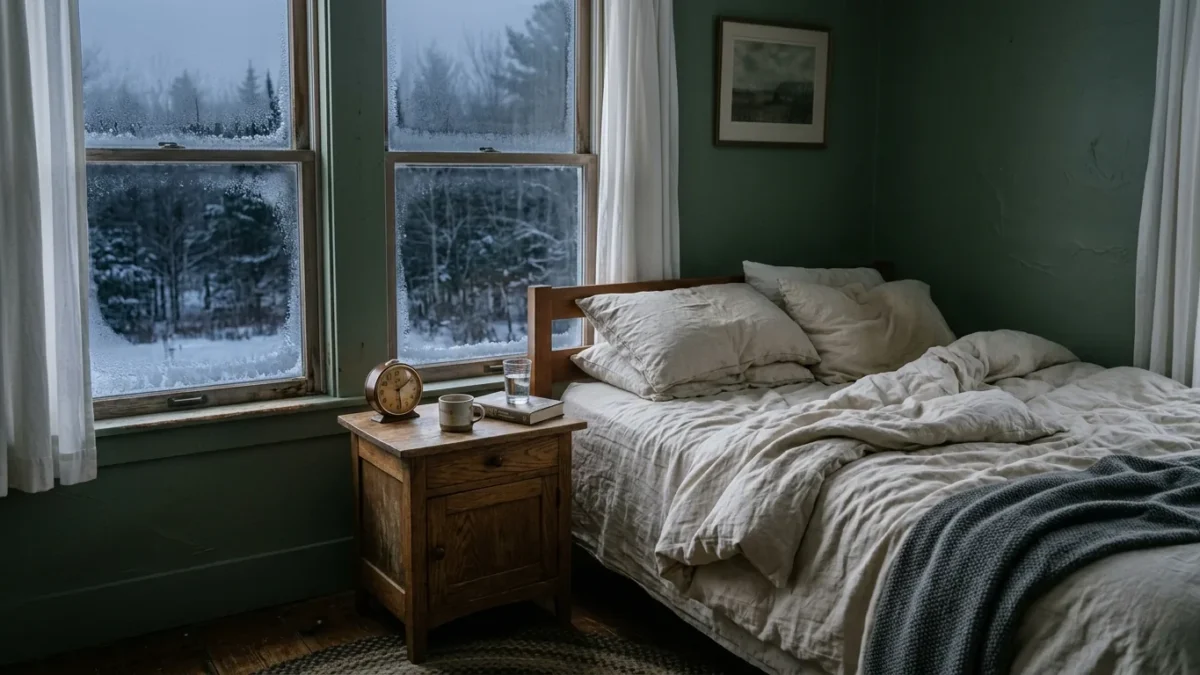
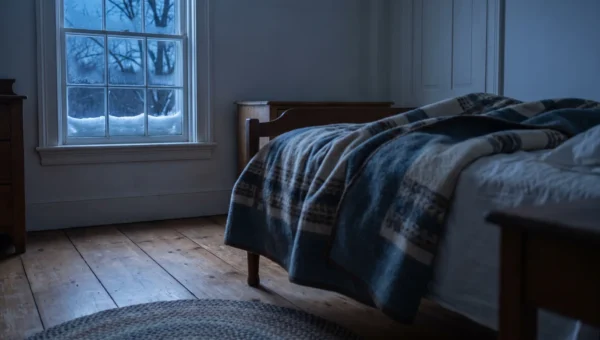
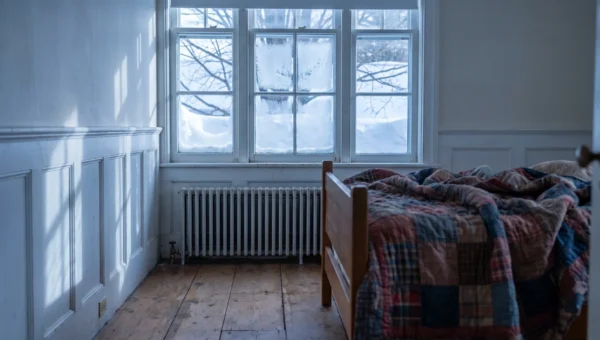
By late December, Portland sees roughly nine hours of daylight. Bangor gets even less. That shift doesn’t just affect your mood. It changes when your body wants to sleep, how deeply you sleep, and how rested you feel when morning finally comes.
How Darkness Shifts Your Circadian Clock
Your circadian rhythm is anchored by light, particularly what hits your eyes in the first hour after waking. When sunrise happens after 7:00 AM for months at a stretch, melatonin production can linger later into the morning. Waking up alert gets harder. Your body’s core temperature rhythm shifts too, which affects how your sleep is structured through the night.
This is a predictable physiological response to living at 43 degrees north latitude. It’s worth knowing that distinction, because the solution isn’t to push through it — it’s to work with it.
Light Therapy: Timing Matters More Than Duration
A 10,000-lux light therapy lamp used for 20 to 30 minutes within the first hour after waking can anchor your circadian rhythm when natural sunlight isn’t available. Research from the American Academy of Sleep Medicine supports morning light exposure as the most effective way to shift the clock earlier. Evening use has the opposite effect, pushing sleep onset later — so placement and timing matter. If mood changes are part of your winter picture alongside poor sleep, seasonal affective disorder in Northern New England covers the overlap between light therapy and mood more thoroughly.
Keeping a consistent wake time, including weekends, prevents what sleep researchers call social jet lag. When your wake time drifts between weekdays and weekends, it compounds the circadian drift that Maine’s dark winters already cause. A cool bedroom, generally in the mid-to-upper 60s Fahrenheit, supports deeper slow-wave sleep, the stage when most physical restoration happens.
What the Research Says About Sleep Supplements
Low-dose melatonin has the strongest evidence for helping with sleep timing, especially when the goal is shifting the body clock rather than sedation. The National Institutes of Health notes that it’s more useful for timing issues than for improving sleep depth or duration. Magnesium has some supporting research for people with documented deficiency, though the evidence is modest — and the form matters; a breakdown of magnesium glycinate, threonate, citrate, and oxide can help you sort through the options. Most other sleep supplements on the market have limited clinical backing.
If you’re considering any supplement, it’s worth talking with a healthcare provider first, particularly if you take other medications or have an underlying condition. What helps one person may do nothing for another.
A Few Practical Adjustments Worth Trying
Cutting back on screens in the hour before bed reduces blue light exposure, which can delay melatonin onset — the evidence on whether blue light glasses actually help is more complicated than the marketing suggests. Blackout curtains help once you’re asleep, but they won’t solve a circadian rhythm that’s already running late. A consistent morning routine tied to a fixed wake time tends to have more lasting impact than any single sleep product, including the wearable sleep trackers that have become popular for monitoring rest.
Maine’s winters are long. The darkness is real. But sleep problems that start in November don’t have to run until April.
Sources
- American Academy of Sleep Medicine. Clinical Practice Guideline for the Treatment of Intrinsic Circadian Rhythm Sleep-Wake Disorders.
- National Institutes of Health, Office of Dietary Supplements. Melatonin: Fact Sheet for Consumers.
- National Sleep Foundation. Sleep Hygiene Recommendations.
This article is for informational purposes only and does not constitute medical advice. Consult a qualified healthcare provider before making any health decisions.