Heat Stroke vs. Heat Exhaustion: A Quick Guide for NH Summer Hikers
New Hampshire Fish and Game responds to heat-related emergencies in the White Mountains every summer. Most hikers know to bring water. Fewer know how to tell heat exhaustion from heat stroke once symptoms start. That distinction matters more than you’d think.
Heat Exhaustion
Heat exhaustion happens when the body loses too much fluid and salt during hard effort in the heat. You’ll sweat heavily, and your skin may feel cool and clammy to the touch. Other signs include nausea, dizziness, headache, and general weakness. Core temperature can rise but usually stays below 104 degrees Fahrenheit, and the person stays alert and oriented.
Move them to shade. Have them lie down, loosen or remove outer layers, and apply cool water to the skin. Small, steady sips of water or an electrolyte sports drink help replace lost fluids and sodium. According to the U.S. Centers for Disease Control and Prevention, most people recover within a few hours with rest and rehydration.
Heat Stroke
Heat stroke is a different animal. Core temperature climbs above 104 degrees Fahrenheit and the body’s ability to cool itself shuts down. Skin turns hot and dry as sweating stops. Confusion sets in. The person may slur their words, seize, or lose consciousness entirely.
Call 911. That’s the first step, not the last. While you wait, move the person to shade and cool them as fast as possible using any water available. If there’s a stream nearby, use it. Fan the skin to speed evaporation. Do not give fluids to someone who is confused or unconscious. The National Oceanic and Atmospheric Administration notes that heat stroke can cause permanent organ damage or death without rapid cooling and emergency care.
How to Stay Out of Trouble on the Trail
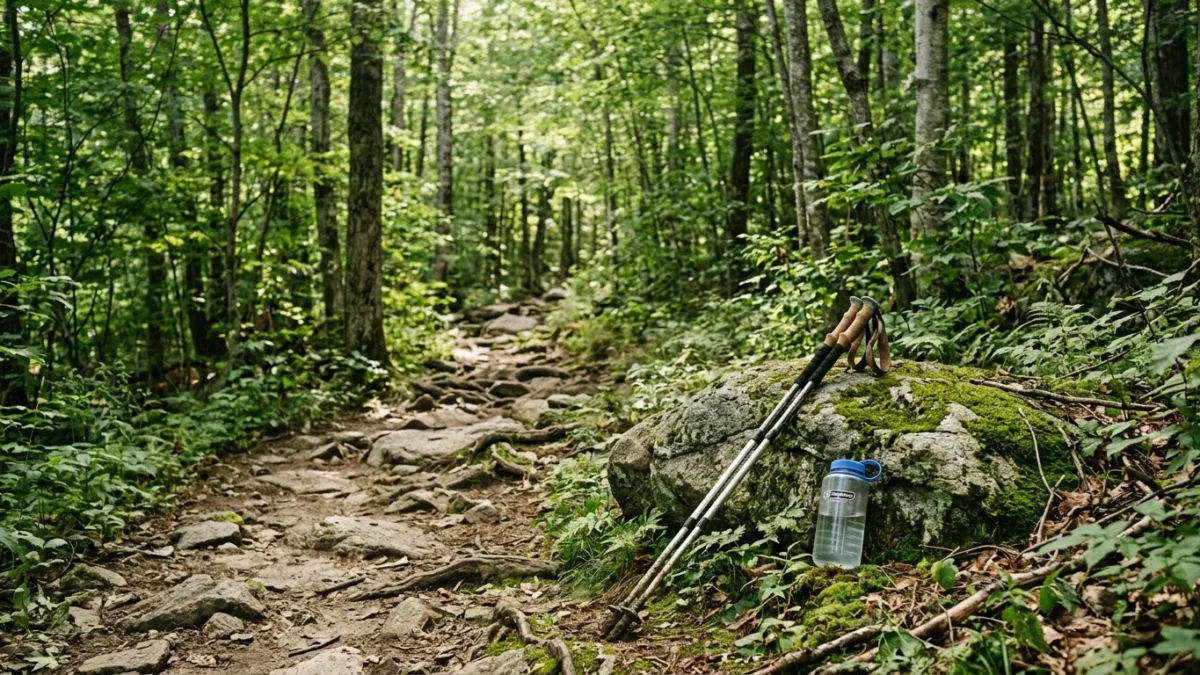
Start hydrating the day before a big hike, not the morning of. On the mountain, plan for at least one liter of water per hour in hot weather, and a quality insulated water bottle keeps it cold longer than a standard plastic bottle. That runs out fast on an all-day push above treeline.
Trailhead parking at popular White Mountain trailheads fills early on hot days. Starting before 7 a.m. sidesteps both the crowds and the worst midday heat. If you hit the trail at 9 a.m. and conditions are already rough, turning around is not failure. The summit will be there next weekend.
Choose shaded routes when temperatures are over 85 degrees. The NH Fish and Game HikeSafe program recommends telling someone your plans before you go, carrying the right gear, and knowing your limits. Those basics keep rescues from happening in the first place. If you are planning a strenuous summer route, the same physical preparation principles that apply to exposed ladder trails apply here: arrive conditioned, not just willing.
Sources
- U.S. Centers for Disease Control and Prevention. Heat-Related Illnesses: Prevention and Treatment. Updated 2025.
- National Oceanic and Atmospheric Administration. Heat Exhaustion or Heat Stroke? Know the Signs of Heat Illness. www.noaa.gov.
- New Hampshire Fish and Game. HikeSafe: Hiker Responsibility Code. www.hikesafe.com.
This article is for informational purposes only and does not constitute medical advice. Consult a qualified healthcare provider before making any health decisions.