Wearable Sleep Trackers in 2026: Accuracy vs. Anxiety
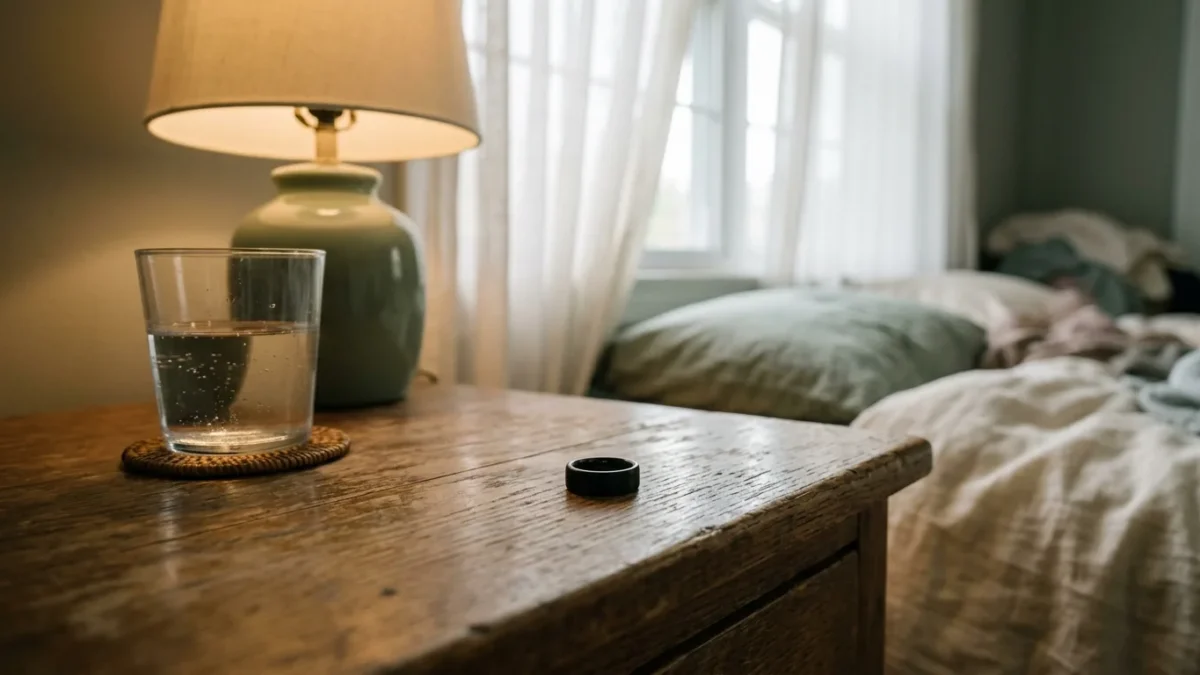
Sleep tracking has become a nightly ritual for millions of Americans. Devices like the Oura Ring, Apple Watch, and Whoop strap promise to quantify sleep stages, heart rate variability, and recovery scores. Maine winters, with their early darkness and long nights, make sleep feel especially urgent, and many residents are already working on basic sleep hygiene for long Maine winters before layering in technology. But how accurate are these trackers, and does watching your numbers actually improve your sleep?
What Wearables Actually Measure
Polysomnography (PSG) is the clinical gold standard for sleep measurement. It uses EEG electrodes, respiratory monitors, and movement sensors in a lab setting. Consumer wearables can’t replicate that. Instead, they use accelerometers and optical heart rate sensors as proxies.
A 2021 study in the journal Sleep tested seven consumer sleep-tracking devices against PSG and found that most devices were reasonably accurate at distinguishing sleep from wakefulness. A 2024 study published in Sensors evaluated three popular wearables (Oura Ring Gen3, Fitbit Sense 2, and Apple Watch Series 8) and found sleep-versus-wake sensitivity at 95% or higher for all three. Sleep stage classification was a different story: sensitivity for individual stages like light, deep, and REM ranged from roughly 50% to 86%, depending on the device and the stage.
What that means practically: your tracker is reliable at knowing when you fell asleep. It’s much less reliable about how much deep sleep you got. That nightly deep sleep number deserves a fair amount of skepticism.
The Orthosomnia Problem
Sleep researchers at Rush University Medical Center coined the term “orthosomnia” in a 2017 paper in the Journal of Clinical Sleep Medicine. It describes something they were already seeing in their clinic: patients who came in convinced they had insomnia, not because they felt tired, but because their device said their sleep was bad.
Their sleep, by objective clinical measures, was often normal. The anxiety wasn’t coming from poor sleep. It was coming from poor scores.
This isn’t rare. The researchers described a pattern of perfectionism around sleep data, where the pursuit of a better score becomes a source of nighttime stress. That stress, predictably, makes sleep worse (and chronic stress reshapes your cortisol curve in ways that independently disrupt sleep architecture). The tracker creates the problem it was supposed to solve.
When Tracking Actually Helps
Used well, sleep data is genuinely useful. It’s good at revealing macro-level patterns: whether your bedtime is drifting later over the week, how total sleep hours trend across months, or how a late glass of wine affects your resting heart rate that night.
It’s poor at serving as a nightly report card. Checking your scores each morning and feeling anxious about the deep sleep percentage is exactly the use case the research warns against. Weekly reviews tend to be more useful than daily ones. Trends matter more than individual nights. If you’re also concerned about screen exposure before bed, it’s worth knowing what the research shows on blue light glasses and sleep quality before investing in another device.
If you’re sleeping through the night, waking refreshed, and functioning well during the day, that’s the most meaningful data point. A tracker that says otherwise probably isn’t measuring what you think it’s measuring.
A Note on New Hampshire and Maine Winters
It’s worth naming something regional. New England winters bring shorter days and longer nights, and many people in Maine and New Hampshire spend more time in bed during those months. That shift in sleep timing can throw off the circadian patterns these devices try to model, and it can make small variations in sleep metrics feel more alarming than they are. Seasonal changes in light exposure affect both how you sleep and how your device interprets what it sees, and for some people those winter patterns tip into something deeper, as covered in this look at seasonal affective disorder across Northern New England.
Sources
- Baron KG, Abbott S, Jao N, Manalo N, Mullen R. Orthosomnia: Are Some Patients Taking the Quantified Self Too Far? J Clin Sleep Med. 2017;13(2):351-354.
- Chinoy ED, et al. Performance of seven consumer sleep-tracking devices compared with polysomnography. Sleep. 2021;44(5):zsaa291.
- Matar M, et al. Accuracy of Three Commercial Wearable Devices for Sleep Tracking in Healthy Adults. Sensors. 2024;24(20):6532.
This article is for informational purposes only and does not constitute medical advice. Consult a qualified healthcare provider before making any health decisions.